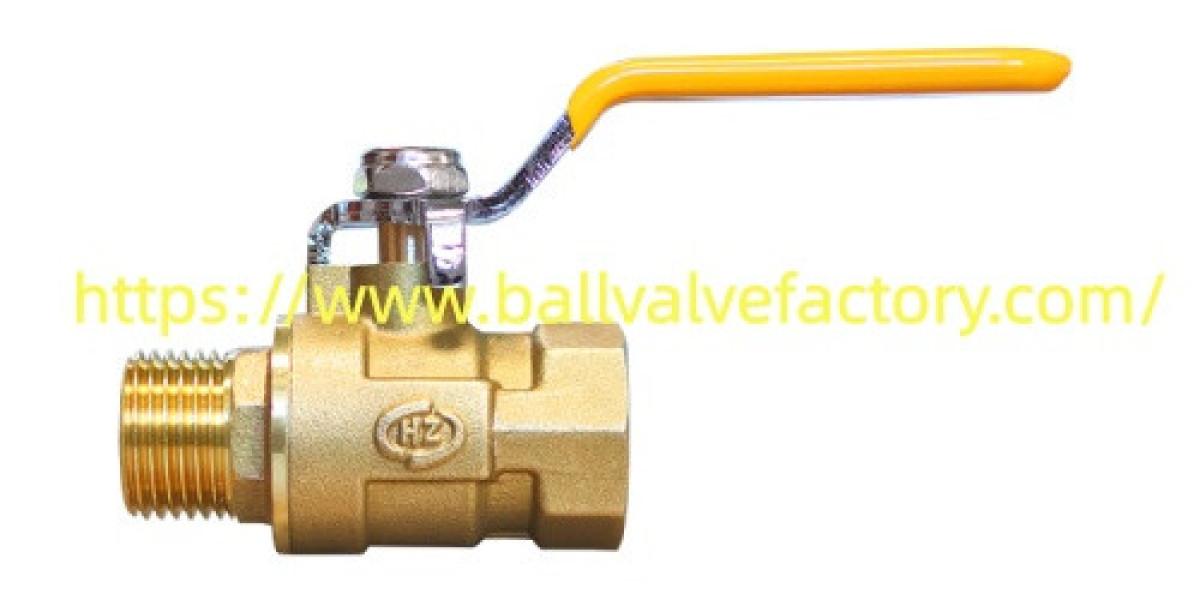

Gas Rated Ball Valve selection deserves careful attention because gas service can involve specific pressure, temperature, sealing, connection, and compliance requirements. For buyers, the process should begin with actual operating conditions rather than relying on size or appearance alone. A clear specification helps manufacturers review whether a proposed product fits the intended pipeline and installation environment.
Pressure is one of the first details worth confirming. Buyers should provide normal working pressure as well as the maximum expected pressure, including possible fluctuations where relevant. A pressure class should not be considered separately from temperature, body material, seats, seals, and connection design because the usable rating can depend on the complete construction. Product documentation should therefore show applicable pressure and temperature information for the specific model.
Temperature also deserves attention during procurement. Ambient conditions, media temperature, and installation location can affect material selection and sealing performance. If the equipment will operate outdoors, in a cold environment, or near a heat source, these conditions should be included in the purchasing request. Providing a realistic operating range allows the manufacturer to assess suitable materials and construction details instead of making assumptions based only on nominal size.
Material compatibility is another practical point. The gas composition should be identified whenever possible, particularly when the medium contains components that may affect metallic or nonmetallic parts. This consideration can include the body, internal components, seats, seals, lubricants, and other parts exposed to the medium. Matching construction materials with actual service conditions can help support consistent operation over the intended service period.
Connection dimensions should match the existing piping arrangement. Threaded, flanged, welded, compression, and other connection formats are not interchangeable simply because they have the same nominal size. Buyers should confirm the connection standard, thread type, dimensional requirements, and available installation space. A clear drawing or piping specification can help reduce mistakes during quotation and production.
The internal flow arrangement may also influence the purchasing decision. Depending on the application, buyers may need to consider full port or reduced port construction, flow requirements, pressure loss, and available space. Handle style is another detail that can affect daily operation. Manual access, handle clearance, locking requirements, and installation orientation should be communicated before production begins.
Testing and documentation should be included in the purchasing discussion as well. Depending on the project, buyers may need inspection records, material information, dimensional drawings, pressure test results, certificates, markings, or evidence of compliance with a specified standard. Different applications can involve different standards, so the required specification should come from the project requirements rather than an assumption that one standard covers every installation.
For B2B buyers, supplier communication can make the selection process more efficient. A useful inquiry should include media type, pressure range, temperature range, nominal size, connection details, material requirements, sealing requirements, operating method, installation environment, quantity, and documentation needs. This gives the manufacturer enough information to review the request and prepare a product proposal based on actual conditions.
Qixiang supports this purchasing process through manufacturing focused product information and application oriented specifications. Buyers can discuss construction options, connection requirements, material selection, testing needs, and project details before confirming an order. This approach creates a clearer technical basis between the purchaser and supplier without relying on generic descriptions.
When a project requires careful procurement, the final choice should connect product specifications with real operating conditions, installation requirements, and applicable standards. Buyers interested in reviewing Qixiang gas pipeline products can visit https://www.ballvalvefactory.com/product/ to see relevant product information and continue their technical evaluation with the manufacturer.