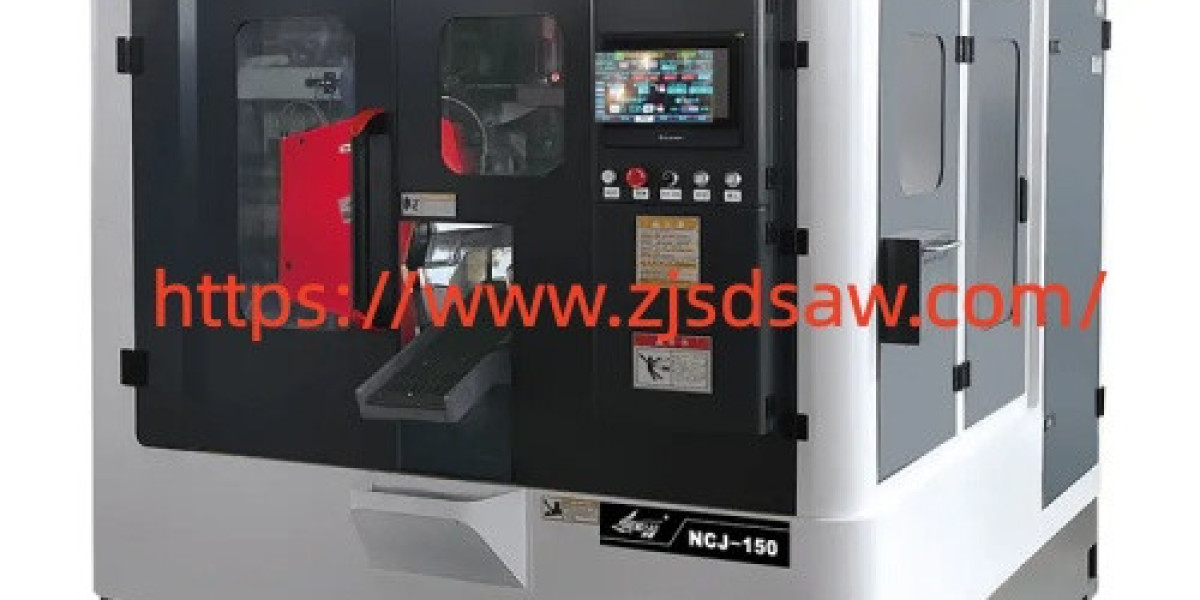

Graphite Cutting Band Saw Machine selection requires more than checking basic specifications. Buyers need to consider the material grade, block dimensions, required tolerances, production volume, dust management, blade compatibility, and workholding method. Graphite is relatively brittle and can generate fine conductive particles during processing, so the equipment should be evaluated as a complete working system rather than as an isolated piece of equipment.
The first consideration is the material itself. Graphite grades can differ in density, grain structure, hardness, and brittleness. These characteristics influence how the workpiece reacts to mechanical pressure. A supplier should be able to discuss the intended material and recommend suitable operating parameters instead of relying on a generic configuration. Chendiao can assess application requirements around material dimensions and processing conditions so buyers can match the equipment with their actual workload.
Workpiece size is another important point. Buyers should review the maximum height, width, length, table dimensions, and available working space. Large blocks require sufficient support during processing, while smaller pieces may need different holding arrangements. Stable positioning helps reduce movement and unwanted stress, particularly when the material has a brittle structure.
Blade selection deserves careful attention as well. The blade specification should correspond with the material characteristics, section size, desired surface condition, and operating parameters. Buyers should ask how blade tension is adjusted, how alignment is maintained, and how wear is monitored. Appropriate feed control is also important because excessive pressure can contribute to chipping, cracking, or uneven results.
Dust management should be considered before purchase rather than added later. Fine particles can travel into electrical components, ventilation areas, guides, and other internal spaces. Graphite dust is also electrically conductive, which creates additional equipment protection concerns. Enclosed working areas, suitable extraction, sealed electrical components, and accessible cleaning points can help control accumulation. Different installations may require different protection measures based on the facility and applicable safety requirements.
The choice between dry and wet processing also needs attention. Some graphite applications have strict cleanliness requirements, while moisture can interact with porous material and create handling or contamination concerns. Buyers should confirm whether liquid use is appropriate for their material and downstream process. In many dry processing environments, extraction and filtration become especially important parts of the overall setup.
Control functions can affect everyday operation. Adjustable feed movement, controllable speed, stable tension, clear operator controls, and accessible adjustment points can make it easier to adapt the equipment to different workpieces. Buyers should also ask about parameter adjustment, emergency functions, inspection procedures, and operator training. A clear control arrangement can reduce unnecessary setup time and support repeatable production practices.
Maintenance should be part of the purchasing discussion. Fine particles can settle around moving assemblies and ventilation passages, so convenient access for cleaning is useful. Regular inspection of alignment, tension, guides, bearings, electrical enclosures, and extraction paths can help identify developing issues before they interrupt production. A documented maintenance routine also gives operators a consistent reference for daily and periodic checks.
Service support is another practical factor. Buyers should ask about spare parts availability, technical documentation, installation guidance, troubleshooting support, and response procedures. These details can matter when the equipment is used regularly or integrated into a larger production process. Comparing only the purchase price may leave out operational factors that affect the total ownership experience.
For buyers evaluating a new system, Chendiao can provide a practical equipment discussion based on material dimensions, production requirements, blade arrangements, dust control expectations, and workspace conditions. Reviewing these points before ordering helps create a clearer specification and reduces the risk of selecting a configuration that does not match the intended application. Buyers can also review the product range through https://www.zjsdsaw.com/product/ when comparing available equipment options and planning their next processing setup.