
Start With Your Everyday Needs
A well-planned Smart Home Automation System in Tempe AZ should support the way you actually use your home. Consider which daily activities could become easier through automation, including lighting, temperature control, security, entertainment, and access management.
Make Lighting More Convenient
Connected lighting allows homeowners to control fixtures without manually operating every switch. Lights can be scheduled, dimmed, or activated through compatible controls. Different settings can also be created for mornings, evenings, entertaining, or bedtime routines.
Improve Home Security
Smart security equipment can provide useful control and visibility around a property. Cameras, motion sensors, door sensors, and connected locks can work together within a compatible setup. Notifications can also help homeowners stay aware of selected activity while they are away.
Upgrade Door Access
Smart locks can make entering and securing a home more convenient. Depending on the equipment, homeowners may use a mobile device, keypad, or another approved method. Temporary access can also be useful for trusted visitors, family members, or service providers.
Manage Indoor Temperature
A connected thermostat can make temperature control easier throughout the day. Homeowners can create schedules based on their routines and adjust settings remotely when compatible features are available. Automatic temperature changes can reduce the need for constant manual adjustments.
Connect Multiple Devices
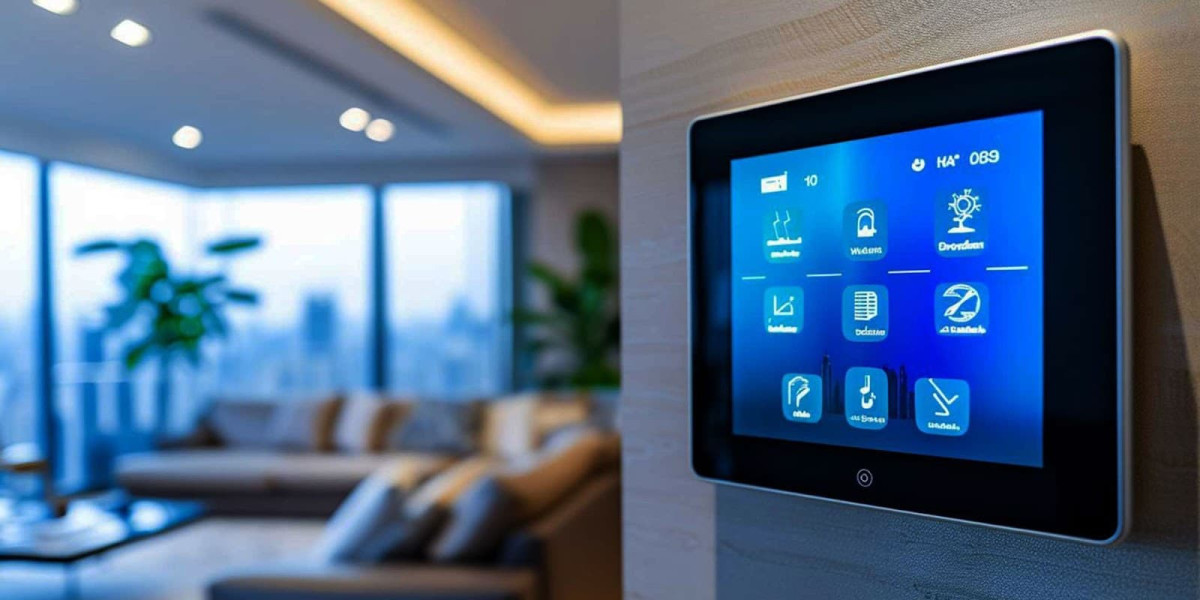
The main advantage of automation comes from connecting different systems. Lighting, security, climate controls, entertainment equipment, and sensors can often be coordinated through a central platform. This reduces the need to operate every device separately.
Create Personalized Scenes
Scenes can combine several actions into one command. A relaxation setting might adjust lighting and temperature, while a bedtime routine could turn off selected lights and secure compatible entry points. These routines can be customized according to household preferences.
Simplify Home Entertainment
Connected entertainment equipment can make televisions, speakers, streaming devices, and lighting easier to manage. A central control system can reduce the number of remotes and separate applications required, making the home more convenient during movie nights or gatherings.
Add Automated Window Coverings
Motorized shades and blinds can provide another layer of convenience. They can be scheduled to open or close at selected times or integrated with compatible devices. Automated coverings can also help manage privacy and sunlight without requiring constant manual adjustment.
Consider Energy Usage
Connected technology can provide better control over several energy-consuming systems. Lighting, climate equipment, and selected appliances can be scheduled according to household routines. Monitoring features may also help homeowners understand how certain systems are being used throughout the day.
Choose Compatible Technology
Professional Smart Home Services can help homeowners determine which devices and platforms can work together. Compatibility should be considered before purchasing equipment because different products may use different communication methods, applications, or control systems.
Strengthen Network Performance
Many connected devices depend on a stable internet connection. Weak coverage can affect communication between devices and the central control platform. Homeowners should consider router placement, Wi-Fi coverage, and network capacity before adding numerous connected products.
Protect Connected Equipment
Security should remain part of the planning process. Strong account passwords, updated software, secure networks, and appropriate access controls can help protect connected devices. Homeowners should also review account permissions and remove access that is no longer necessary.
Plan for Future Additions
A home automation project does not need to include every available feature immediately. It can be designed with future expansion in mind. Selecting compatible technology and leaving room for additional devices can make later upgrades easier and more organized.
Keep Controls Simple
Automation should reduce complexity rather than create it. A clear control system can help everyone in the household understand how to operate important features. Organized device names, simple scenes, and easy-to-access controls can make the technology more practical.
Automate Repetitive Tasks
Many useful automations involve small tasks that happen repeatedly. Lights can follow schedules, temperature settings can change automatically, and selected devices can switch off at certain times. These routines can reduce the number of everyday actions homeowners need to remember.
Consider Professional Installation
Simple smart products may be suitable for basic installation, while larger systems can require more planning. Professional installation may help with device placement, wiring, programming, configuration, and system testing. This can be especially useful when several technologies need to operate together.
Review the System Regularly
Connected technology continues to change, and household needs can change as well. Periodic system reviews can help identify outdated equipment, unnecessary routines, or features that could be improved. Keeping software and compatible devices updated can also support reliable operation.
Focus on Practical Results
A useful smart home does not need the largest possible number of devices. The goal should be to create convenient, comfortable, and manageable routines around real household needs. Thoughtful planning can make connected technology feel natural while keeping the home simple to operate.