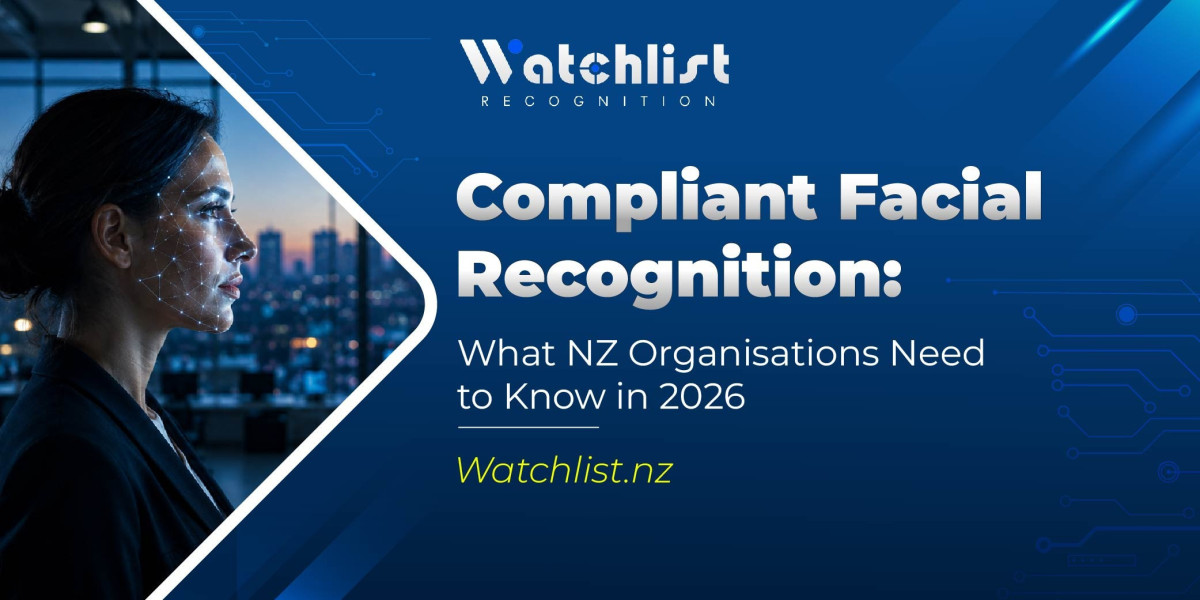

Recognition technology is becoming increasingly relevant for organisations that need better visibility across people, vehicles, sites and security events. Rather than relying solely on manual monitoring, modern recognition platforms can help teams identify known subjects, detect vehicles of interest and respond to events as they happen.
For businesses considering this technology, however, choosing a platform is only one part of the decision. Organisations also need to understand how recognition fits into existing workflows, how alerts are managed, what information is retained and how privacy is protected. A practical approach focuses on solving specific operational problems while maintaining appropriate oversight.
What Recognition Technology Can Do for Businesses
Recognition technology generally refers to systems that analyse visual information to identify or classify people, vehicles or other objects. Two important applications are facial recognition and automatic number plate recognition (ANPR).
A modern facial recognition system can compare faces against authorised watchlists and generate alerts when a relevant match is detected. ANPR, meanwhile, can identify and record vehicle registration plates, helping organisations understand vehicle movements across entrances, exits and multiple locations.
When these capabilities work together, organisations can gain a broader view of activity rather than treating people and vehicles as completely separate sources of information.
Why Real-Time Alerts Matter
One of the biggest practical benefits of recognition technology is the ability to turn visual events into actionable information.
Traditional security processes may depend on staff continuously watching screens, remembering individuals or manually reviewing footage after an incident. Recognition technology can instead provide an alert when predefined conditions are met. This allows teams to focus their attention on events that may require investigation or intervention.
For example, a business operating several sites may want to know when a person on an internal watchlist enters a monitored location or when a vehicle associated with a previous incident appears at a site. A platform such as Watchlist Recognition can combine facial recognition and ANPR to support these types of operational workflows.
The value is not simply in producing more alerts. Effective implementation requires alerts to be relevant, understandable and connected to a clear response process.
Combining Facial Recognition With ANPR
People and vehicles often form part of the same operational picture. A visitor may arrive in a particular vehicle, a contractor may regularly access multiple facilities, or a vehicle may be associated with an incident that requires further attention.
This is where automatic number plate recognition can complement facial recognition. ANPR can provide information about vehicle movements, while facial recognition can assist with identifying people of interest where appropriate.
For organisations operating across multiple sites, this combination can improve operational visibility without requiring staff to manually correlate every camera event. However, technology should support human decision-making rather than automatically determining the significance of an event.
Building Responsible Recognition Workflows
Technology alone does not create a responsible recognition programme. Organisations should establish clear procedures before deployment.
First, define the specific purpose of recognition. This could include site security, trespass management, incident investigation or monitoring access to restricted areas. The purpose should determine what information is collected and how it is used.
Second, establish appropriate watchlist governance. Organisations should know who can add or remove records, what evidence supports an entry and when records should be reviewed or deleted.
Third, consider access controls. Sensitive recognition information should not be available to every employee. Role-based permissions can help limit access according to job responsibilities.
Finally, organisations should establish procedures for handling alerts. A recognition match should generally be treated as information requiring appropriate verification, not automatically as proof that an individual or vehicle has acted improperly.
Privacy, Security and Information Retention
Facial recognition involves biometric information, making privacy considerations particularly important. Organisations should assess whether the proposed use is necessary, proportionate and appropriately governed for their circumstances.
A privacy-conscious platform should provide practical controls around data access, storage and retention. Watchlist Recognition states that its platform includes encrypted storage, role-based access and retention controls, alongside tools such as trespass and incident registers, reporting and analytics.
Businesses considering compliant facial recognition should nevertheless avoid assuming that technology alone makes a particular deployment legally compliant. Requirements can depend on the organisation, purpose, data involved and circumstances of use. Appropriate professional or legal guidance should be obtained when evaluating a specific implementation.
Choosing the Right Platform for Your Organisation
When assessing recognition technology, organisations should look beyond the recognition capability itself. Important questions include:
- Can the system support both people and vehicle recognition where required?
- Are alerts delivered in a way that fits existing operational procedures?
- Can administrators control user permissions?
- Are retention settings available?
- Can teams maintain incident or trespass records?
- Does the platform provide useful reporting and analytics?
- Can the system support multiple sites and operational environments?
- Are privacy and governance considerations built into the deployment approach?
The answers can help organisations distinguish between a technology demonstration and a platform that can genuinely support day-to-day operations.
Frequently Asked Questions
1. What is facial recognition used for in business?
Facial recognition can assist with identifying people of interest, supporting access monitoring, incident management and security workflows where its use is appropriate and properly governed.
2. What is ANPR?
Automatic number plate recognition uses cameras and software to identify vehicle registration plates. It can help organisations monitor vehicle movements and generate alerts based on predefined watchlists or operational requirements.
3. Can facial recognition and ANPR work together?
Yes. Combining the two can provide information about both people and vehicles within the same operational environment, potentially giving security and operations teams broader situational awareness.
4. Is recognition technology automatically privacy compliant?
No. Compliance depends on the specific deployment, purpose, information collected and applicable requirements. Organisations should conduct appropriate assessments and seek professional or legal guidance for their circumstances.
5. What should businesses consider before deployment?
Businesses should define the purpose, establish watchlist and retention policies, restrict access to authorised users, create clear alert-response procedures and regularly review whether the technology remains necessary and appropriate.
Conclusion
Recognition technology can play a useful role in modern business operations when it is implemented around clear objectives rather than simply added as another security tool. Facial recognition, ANPR, watchlists and real-time alerts can help organisations improve visibility and respond more efficiently to relevant events.
The strongest implementations balance operational value with human oversight, information security and responsible data practices. For organisations exploring these capabilities, Watchlist Recognition provides a New Zealand-based platform combining facial recognition and ANPR with tools for alerts, incident management, reporting and access controls.
To understand how recognition technology could fit your organisation's requirements, consider learning more about Watchlist Recognition or requesting a demonstration.