
Modern businesses and organisations often manage more people, vehicles, sites and security events than traditional monitoring methods can comfortably handle. Recognition technology can help bring these moving parts into a more structured operational view. By combining tools such as facial recognition, automatic number plate recognition and watchlist management, organisations can identify relevant people or vehicles, receive timely alerts and maintain clearer records of incidents.
For organisations considering this technology, the important question is not simply whether recognition can identify someone or something. It is how the technology fits into daily operations, how alerts are managed, and how privacy and information governance are addressed from the beginning.
What Recognition Technology Does in a Business Environment
Recognition platforms use cameras and software to compare visual information against defined records or watchlists. Depending on the deployment, this can include people, vehicles or specific events.
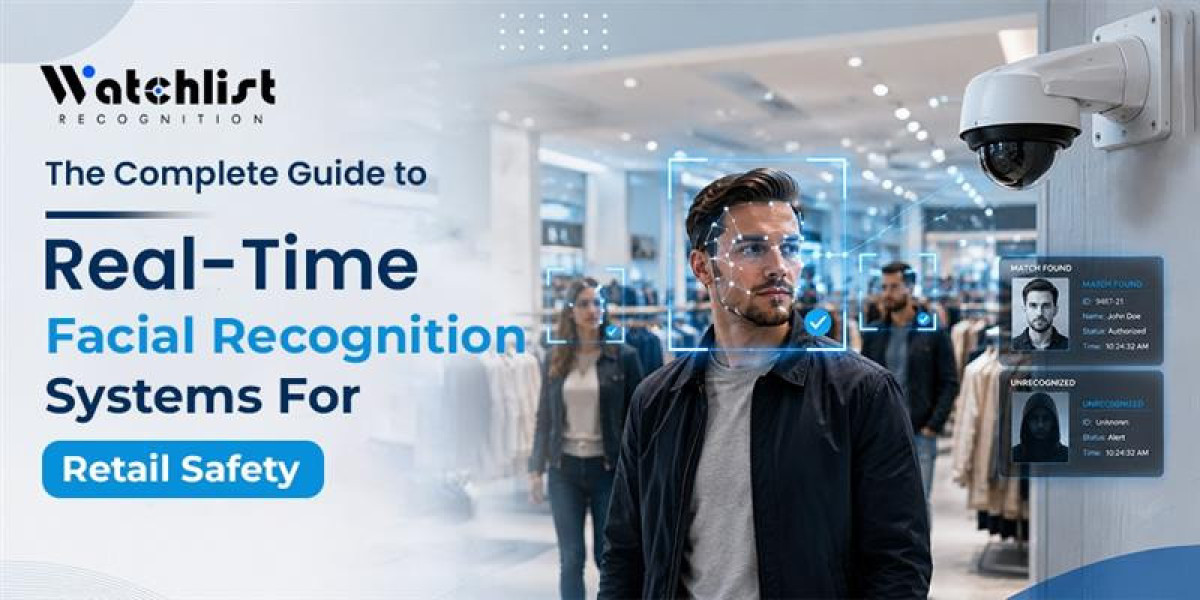
A modern facial recognition system can support organisations where authorised identification is relevant to security or operational processes. Instead of relying entirely on personnel to monitor multiple camera feeds, recognition software can help surface events that require attention.
The value comes from connecting identification with an operational response. An alert can prompt a security team to review an event, verify circumstances and follow an established procedure rather than leaving staff to continuously watch screens for every possible occurrence.
Combining Facial and Vehicle Recognition
Many organisations need visibility beyond people. Sites such as commercial properties, industrial facilities, residential developments and multi-location operations may also need to understand vehicle movements.
Automatic number plate recognition can capture and interpret vehicle registration plates, creating another source of operational information. When combined with facial recognition, this can provide a broader picture of activity around a site or across several locations.
For example, an organisation could establish defined vehicle or person watchlists and receive alerts when a relevant match occurs. This can make it easier for authorised teams to investigate unusual activity, manage access-related incidents or connect information from different locations.
The objective should be better operational awareness—not indiscriminate monitoring.
Why Real-Time Alerts Matter
Recognition technology becomes more useful when identification is connected to timely notifications. A delayed report may be less valuable when an organisation needs to respond to an event while it is occurring.
Real-time facial recognition capabilities can help authorised personnel focus on events that meet predefined criteria. Instead of treating every camera event equally, teams can prioritise alerts according to their operational procedures.
However, alerts should not automatically be treated as proof of wrongdoing. Recognition systems can produce false matches or require human verification. A responsible workflow therefore includes appropriate review before significant action is taken.
This is particularly important where recognition information could affect access, investigations, employee interactions or other consequential decisions.
Building Recognition Into Existing Workflows
Technology delivers greater value when it supports established processes rather than operating as an isolated security tool. Organisations should first identify what problem they are trying to solve.
Useful questions include:
- Which locations require recognition capabilities?
- What types of people, vehicles or events should generate alerts?
- Who is authorised to view recognition information?
- What should staff do when an alert is received?
- How should incidents be recorded and reviewed?
- How long should information be retained?
A platform such as Watchlist Recognition brings recognition, alerts and operational records into a connected environment. Its capabilities include people and vehicle alerts, trespass and incident registers, reporting and analytics, alongside controls such as encrypted storage, role-based access and retention settings.
These features can help organisations establish clearer workflows, but effective deployment still depends on appropriate configuration, trained personnel and well-defined internal procedures.
Privacy and Responsible Deployment
Facial recognition and other recognition technologies involve information that can be sensitive and consequential. Organisations should therefore consider privacy from the planning stage rather than treating it as an issue to address after deployment.
A responsible approach includes clearly defining the purpose of the system, limiting access to authorised users, establishing appropriate retention periods and documenting how alerts and records are handled.
Organisations should also assess whether their proposed use is appropriate for the specific environment and jurisdiction. Privacy obligations can depend on the technology, purpose, information involved and circumstances of deployment. Businesses should obtain appropriate professional or legal guidance for their particular use case rather than assuming that a technology or configuration automatically guarantees compliance.
For New Zealand organisations, this consideration is especially relevant when recognition technology involves personal or biometric information. Clear governance, proportionality and accountability should remain central to implementation.
Choosing a Recognition Platform
When evaluating recognition technology, businesses should look beyond basic identification accuracy claims. The surrounding operational capabilities can be equally important.
Consider whether the platform provides:
- People and vehicle recognition in one environment
- Configurable watchlists and alerts
- Incident and trespass records
- Reporting and analytics
- Role-based access controls
- Appropriate data retention controls
- Secure storage and information management
- Workflows that support human review
A practical evaluation should also consider integration with existing cameras, staff responsibilities, site conditions and escalation procedures.
Watchlist Recognition is a New Zealand recognition intelligence platform designed to bring facial recognition and ANPR together with operational tools. Organisations can assess its capabilities against their own requirements and determine whether the approach is suitable for their environment.
FAQs
1. What is recognition technology used for in business?
It can help organisations identify relevant people or vehicles, generate alerts, support investigations and maintain operational records.
2. Is facial recognition suitable for every organisation?
No. Suitability depends on the organisation's purpose, environment, governance requirements and how the technology will be used.
3. What is ANPR?
Automatic number plate recognition, or ANPR, uses cameras and software to detect and interpret vehicle registration plates for defined operational purposes.
4. Should every recognition alert trigger immediate action?
Not necessarily. Alerts should generally be reviewed and assessed by authorised personnel according to documented procedures.
5. How should organisations approach privacy?
They should define a legitimate and specific purpose, limit access, establish suitable retention and governance controls, and obtain appropriate professional or legal advice for their circumstances.
Conclusion
Recognition technology can give modern organisations a clearer way to manage people, vehicles and security-related events across busy or multi-site environments. Its greatest practical value comes from connecting recognition with real-time alerts, incident records, reporting and controlled access.
The technology should nevertheless be introduced thoughtfully. Clear objectives, human oversight, privacy considerations and strong operational procedures are essential to responsible deployment.
For organisations exploring how facial and vehicle recognition could support their operations, Watchlist Recognition provides a New Zealand-based platform combining these capabilities with operational management tools. Businesses can learn more about the platform or request a demonstration to assess whether it fits their specific requirements.