
Businesses and organisations are increasingly looking for ways to improve security without creating fragmented systems that are difficult to monitor. Facial recognition for business can help authorised teams identify known individuals, support incident investigations and generate timely alerts when integrated into a broader recognition workflow. However, effective deployment is not simply about installing cameras and recognition software. Organisations also need clear objectives, appropriate controls, responsible data practices and processes that help people respond to alerts effectively.
Why Recognition Technology Is Becoming an Operational Tool
Traditional security systems often depend heavily on manual observation, physical logs and reviewing footage after an incident has occurred. Recognition technology can add another layer of operational awareness by helping teams identify people or vehicles of interest as events occur.
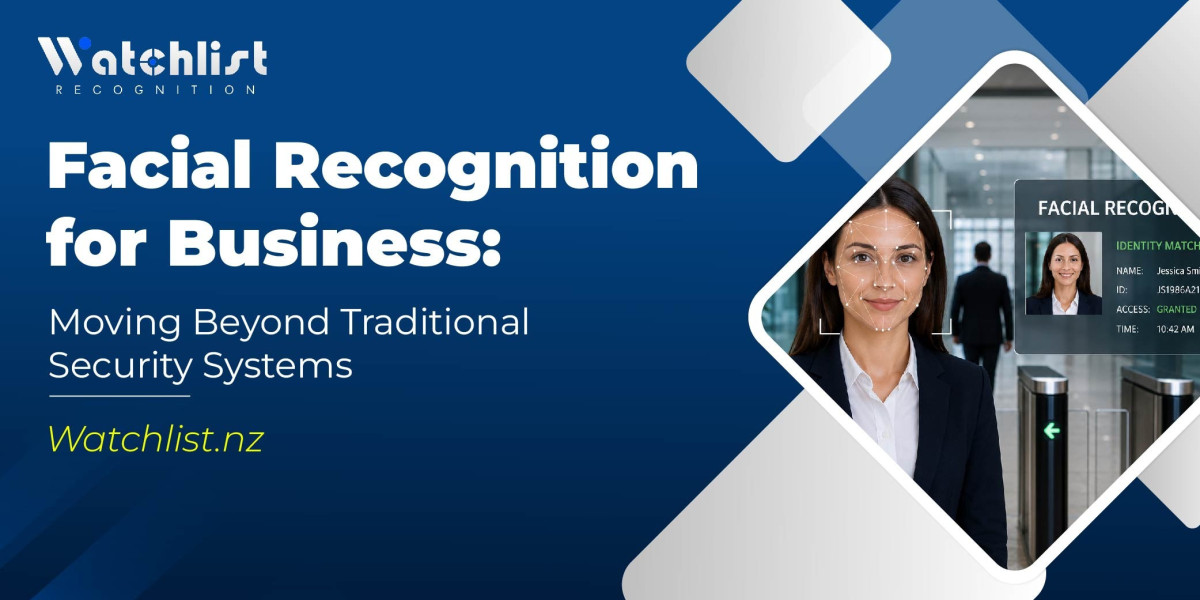
A modern facial recognition system can compare captured facial imagery against an authorised database or watchlist and notify designated personnel when a potential match requires attention. Used appropriately, this can reduce the time between detection and human review.
The value extends beyond security teams. Organisations managing multiple locations, restricted areas, facilities or high volumes of visitors may benefit from having recognition events, incidents and relevant records available within a structured operational environment.
Combining Facial and Vehicle Recognition
People are not the only factor organisations may need to identify. Vehicles can also play an important role in site security, access management and incident investigation.
Automatic number plate recognition uses cameras and software to capture and interpret vehicle registration plates. When integrated with other recognition capabilities, it can help organisations understand vehicle movements and identify vehicles associated with predefined alerts or incidents.
For organisations operating across several sites, a vehicle recognition platform can provide a more consistent way to manage vehicle-related information. This may be particularly useful where security teams need visibility across entrances, car parks, facilities or geographically distributed locations.
The important principle is integration. Facial and vehicle recognition should support a wider operational process rather than operate as isolated technologies.
From Real-Time Alerts to Practical Action
An alert is only useful when an organisation knows what to do with it. A well-designed recognition workflow should connect detection with appropriate human review, incident recording and follow-up.
For example, a potential facial match could trigger a real-time notification to an authorised team member. That person can then assess the alert alongside available context and follow the organisation's established procedure. Similarly, a vehicle recognition event can be recorded for investigation or operational follow-up when appropriate.
Watchlist Recognition combines facial recognition and ANPR with capabilities including real-time people and vehicle alerts, trespass and incident registers, reporting and analytics. These functions can help organisations move from isolated detection events toward a more structured approach to operational visibility.
This distinction matters because recognition technology should support informed decisions rather than automatically determine what happens to an individual.
Privacy and Responsible Deployment Matter
Biometric information and vehicle-related data can involve significant privacy considerations. Organisations should therefore establish a clear purpose before implementing recognition technology and determine what information is genuinely necessary for that purpose.
Important considerations can include who is authorised to access information, how long records should be retained, how alerts are reviewed and what happens when information is no longer required. Role-based permissions, encryption and retention controls can help organisations build stronger governance into day-to-day operations.
Organisations should also consider transparency, appropriate policies, documented procedures and human oversight. Privacy and biometric requirements can vary according to the organisation, technology, location and intended use. Businesses should obtain appropriate professional or legal guidance for their specific circumstances rather than assuming that a particular technology automatically guarantees compliance.
Choosing Technology That Fits the Organisation
Technology selection should begin with operational requirements rather than features alone. Organisations can assess how recognition events will be generated, who will receive alerts, how incidents will be documented and how information will be accessed across different teams or sites.
Integration with existing cameras and workflows is another practical consideration. A recognition platform that supports reporting and analytics can help teams identify patterns and review historical events, while appropriate access and retention controls can help keep information management structured.
A useful evaluation process should therefore consider accuracy, usability, governance, security, scalability and the quality of human processes surrounding the technology. The goal is not to maximise recognition activity but to create meaningful operational visibility.
Frequently Asked Questions
1. What is facial recognition for business used for?
It can support security and operational processes by helping authorised teams identify known individuals, generate alerts and investigate relevant incidents. Its appropriate use depends on the organisation's specific purpose and governance framework.
2. Is facial recognition the same as CCTV?
No. CCTV primarily captures and records video, while facial recognition technology can analyse facial imagery to identify potential matches against defined records or watchlists. The two technologies can work together.
3. How does ANPR complement facial recognition?
ANPR focuses on vehicle registration plates rather than faces. Combining the two can provide organisations with broader visibility across both people and vehicles involved in relevant security or operational events.
4. What privacy controls should organisations consider?
Organisations should consider access permissions, data retention, security, transparency, purpose limitation, human review and appropriate governance. Specific legal requirements should be assessed with qualified professional or legal advisers.
5. Can recognition technology support multiple locations?
Yes. Platforms designed for multi-site operations can help centralise relevant alerts, records, reporting and analytics, making it easier for authorised teams to maintain consistent processes across locations.
Conclusion
Recognition technology can provide organisations with a more proactive approach to security and operational awareness, but successful implementation requires more than cameras and automated matching. Facial recognition, ANPR, watchlists, alerts and incident records work best when they are connected to clearly defined objectives, responsible governance and trained human decision-makers.
Watchlist Recognition provides a platform combining facial recognition and ANPR with operational tools designed to help organisations manage recognition events and related information. Businesses considering this approach can learn more about the platform or request a demonstration to explore how recognition technology could fit their operational requirements.