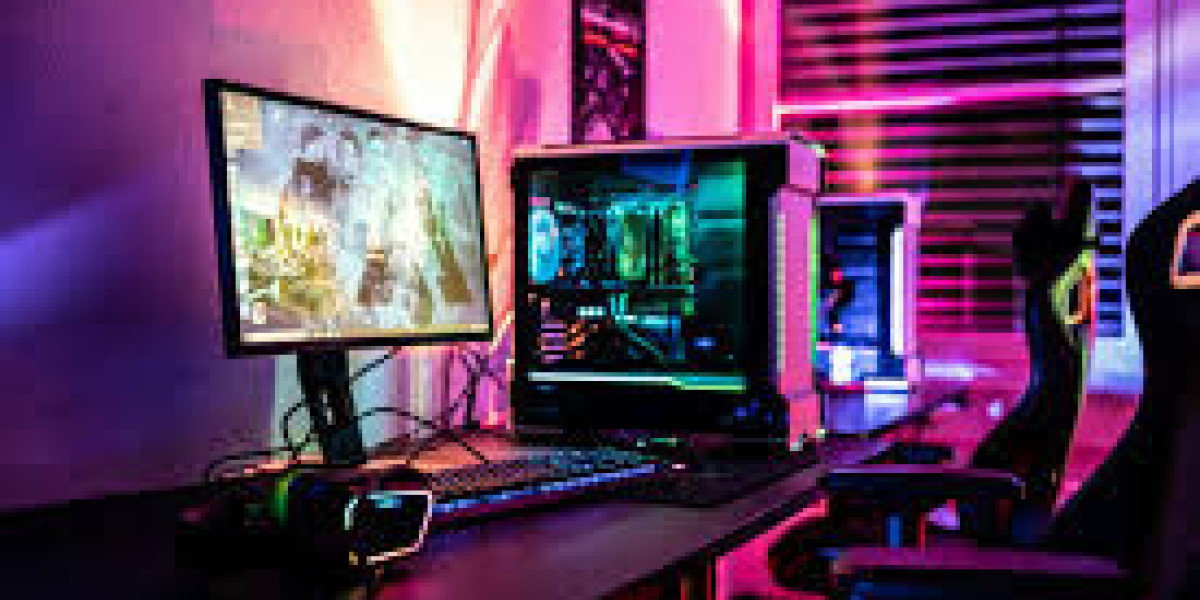

Understanding the modern technology consumer requires looking past basic demographic metrics and diving deep into the psychographic profiles that dictate brand loyalty and community alignment. Group discussions exploring modern media habits reveal that contemporary digital enthusiasts do not view hardware as a mere utility; instead, it serves as a core component of their digital identity and social status within virtual communities. The aesthetic design of components, the integration of programmable ambient illumination, and the premium tactile feel of interface mechanisms are weighed just as heavily as raw processing specifications. This cultural transformation has forced legacy hardware companies to rebrand completely, moving away from utilitarian industrial design toward highly stylized, customizable product lines that resonate with an audience obsessed with digital personalization and visual streaming culture.
To accurately track these shifting cultural aesthetics, corporate research teams utilize extensive field data to align their product roadmaps with consumer subcultures. According to recent Gaming Hardware Market research, purchasing decisions are increasingly driven by peer-to-peer recommendations within specialized community hubs rather than traditional corporate marketing campaigns. This shift has altered product development cycles, forcing engineering departments to collaborate directly with digital content creators and community influencers during the alpha testing phases. By designing products that look visually striking on camera and offer native integration with popular broadcasting software, manufacturers can successfully capture the attention of a highly cynical, ad-blocking consumer base that prioritizes authentic peer validation over polished corporate advertising.
What role does aesthetics play in modern hardware consumer purchasing habits? Hardware is now viewed as an expression of digital identity, meaning that visual aesthetics, custom illumination, and premium industrial design are often prioritized alongside raw computational performance.
How has marketing shifted within the high-performance computing hardware sector? Traditional corporate marketing has largely been replaced by organic community engagement and direct collaborations with digital creators, as modern consumers heavily favor peer recommendations over standard advertisements.
➤➤➤Explore MRFR’s Related Ongoing Coverage In Semiconductor Industry:
Automotive Testing And Certification Market
Banking Operations Consulting Services Market
Big Data Consulting Services Market
Biostatistics And Data Analysis Market
Brand Awareness And Promotion Services Market
Brand Management Consulting Services Market
Building Commissioning Services Market
Business Intelligence And Analytics Consulting Services Market
Business Valuation Consulting Services Market
Carbon Credit Trading And Consulting Services Market