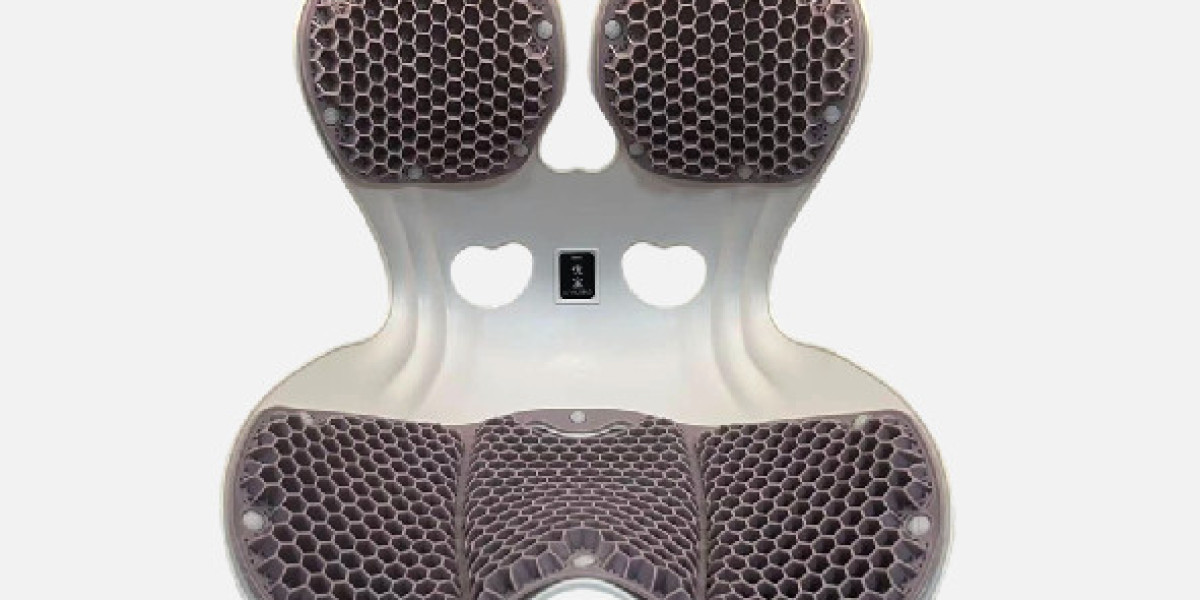

Different users require different levels and positions of seating support, making adaptability an important consideration in ergonomic product design. An Adjustable Lumbar Support Cushion is intended to provide additional support around the lower-back region while offering a degree of flexibility in positioning or configuration, depending on its construction. This type of seating accessory can be relevant to office workers, home users, drivers, and commercial furniture buyers who need products that accommodate different seating arrangements. Understanding its design, adjustment methods, materials, and practical limitations helps users and purchasing professionals identify suitable options.
The lower back has a natural inward spinal curve that is influenced by sitting posture and the shape of the seating surface. When a chair does not provide sufficient contact around this area, users may find it difficult to maintain a comfortable position. A lumbar cushion can occupy part of the space between the back and the chair, providing an additional supporting surface. Adjustability may help users position the cushion according to their body proportions or chair configuration, although the available adjustment range depends on the specific product design.
There are several ways in which seating support products can offer positioning flexibility. Some designs use adjustable straps to secure the cushion at different heights on a chair backrest. Others may use removable or repositionable components, allowing users to change the cushion's position or configuration. Certain products provide different levels of adjustment through their shape or attachment structure. Buyers should distinguish between these designs because the term adjustable can describe different functions and does not necessarily mean that every product offers the same range of movement.
Attachment systems are particularly important for products intended for different chairs. Elastic straps may provide a simple method of securing a cushion, while adjustable fastening arrangements can accommodate different backrest dimensions. The stability of the attachment should be evaluated under normal use conditions. A cushion that moves excessively may require frequent repositioning and reduce the overall user experience. Compatibility should therefore be checked against the dimensions and shape of the chairs for which the product is intended.
Cushioning materials also determine how the product feels during use. Foam is frequently used because it can provide a balance between softness, resilience, and structural support. Different foam densities and thicknesses produce different seating characteristics. A cushion that compresses too easily may offer insufficient support over time, whereas one that is too firm may feel uncomfortable for certain users. The appropriate construction depends on the product's intended market, expected frequency of use, and preferred seating experience.
The cover material influences both appearance and practical maintenance. Breathable textiles may be suitable for users who remain seated for long periods, while durable fabrics can be considered for products used frequently or shared by multiple people. Surface texture, stitching, color, and closure design contribute to the finished product's quality and visual presentation. If a removable cover is available, buyers should review the cleaning instructions and confirm whether replacement covers can be supplied.
Office chairs provide one of the most common applications for adjustable seating accessories. Employees may use different chair models and have different body proportions, making positioning flexibility useful when arranging individual workstations. Home users may also place supportive cushions on study chairs, computer chairs, or household seating. For these applications, the product should fit the chair without interfering with normal sitting movements or creating an awkward seating position.
Automotive applications introduce additional compatibility considerations. A cushion intended for vehicle seating should remain stable during normal driving and should not obstruct seat belts, airbags, head restraints, or other vehicle safety systems. Drivers should also ensure that the cushion does not interfere with their ability to operate the vehicle comfortably and safely. Product dimensions, attachment arrangements, and intended use instructions should be reviewed before selecting an accessory for this environment.
For distributors and wholesalers, adaptability can make a product relevant to several customer groups, but it should be supported by accurate product information. Buyers should request details about adjustment methods, strap length where applicable, cushion dimensions, material composition, available colors, and packaging. Sample testing can help establish whether the adjustment system is practical and whether the cushion remains securely positioned on representative chairs. These checks are especially useful before confirming large-volume orders.
Retailers should also communicate the actual adjustment functions clearly. If a product offers height adjustment through straps, its description should explain that feature rather than suggesting that the cushion changes its internal firmness. Similarly, a repositionable cushion should not be presented as a mechanically adjustable backrest unless the construction supports that description. Accurate explanations help consumers understand the product and reduce confusion during purchasing.
When evaluating an Adjustable Lumbar Support Cushion, buyers should consider the relationship between adjustment range, attachment stability, cushioning performance, and compatibility with their target seating environments. Product selection should be based on verified construction details rather than general assumptions about ergonomic benefits. For international procurement, confirming specifications, sample quality, packaging, and customization availability before bulk purchasing can help establish more reliable supply arrangements. Explore related ergonomic seating and cushion products at https://www.yiyoubaotechnology.com/product/lumbar-supports-seat-cushions/massage-hot-compress-health-care-seat-cushion-for-back-pain.html.






