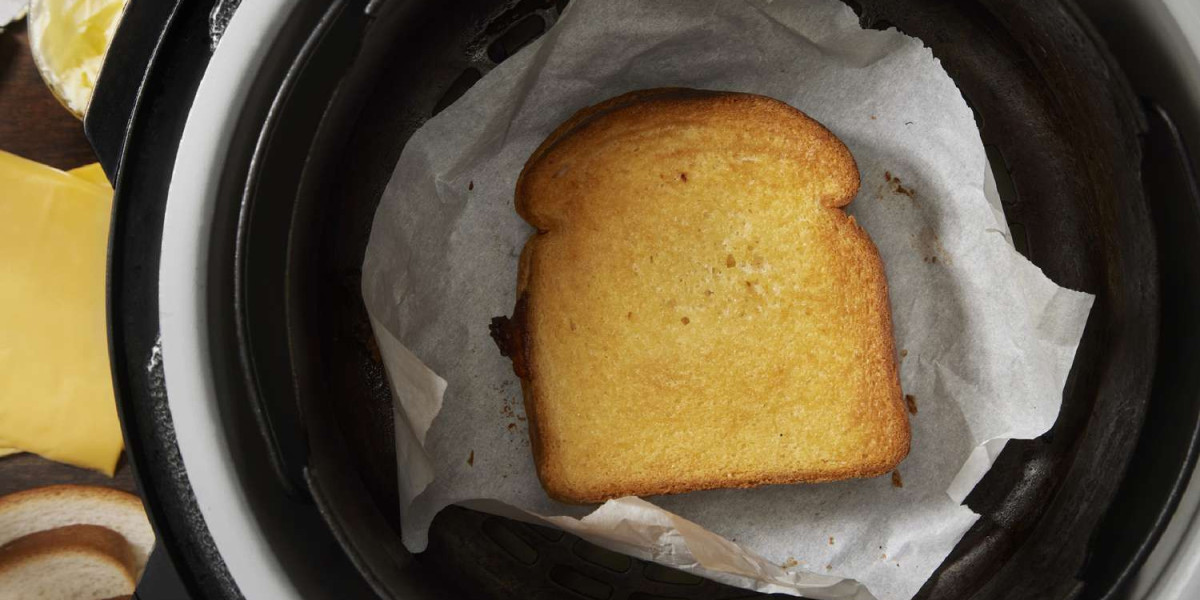

The materials used in baking can affect preparation time, food handling, and the effort required to clean equipment. From home kitchens to large bakeries, Baking Paper provides a convenient lining option for trays and selected food preparation tasks. Choosing a suitable product requires attention to its intended use, material properties, dimensions, and recommended operating conditions.
One of the most common uses is lining oven trays before baking. Cookies, biscuits, pastries, and other products can be arranged on the paper rather than placed directly on the tray. This can make food removal more convenient and reduce the amount of residue left on baking equipment. For kitchens that prepare several batches in succession, disposable liners can also simplify tray preparation between cycles.
Baking liners can support more than oven work. In suitable applications, they may be used to separate food portions, arrange ingredients, prepare dough, or create a clean working surface. Some kitchens use sheets between stacked baked goods or other food items to make handling and storage easier. The suitability of these applications depends on the paper's construction and the manufacturer's instructions.
Material characteristics should be reviewed before selecting a product. Different papers may vary in thickness, base material, surface treatment, flexibility, and resistance to grease. These differences can influence how the paper handles during preparation and how it performs with particular foods. Buyers should compare technical specifications and avoid assuming that products with similar names are interchangeable.
Heat resistance is especially important when paper is used in an oven. Each product should be used within the temperature range stated by its manufacturer. The paper should be placed correctly and kept away from direct contact with heating elements, flames, or other unsuitable heat sources. Users should also follow the product instructions regarding placement, duration, and reuse, if reuse is permitted.
Food release is another practical factor. A suitable surface can help reduce sticking when baking cookies, pastries, and other products. This can be helpful when handling delicate items that may break if they adhere to a tray. However, release performance can vary with the recipe, moisture content, sugar or fat levels, baking temperature, and preparation method. Testing a product with typical recipes is a sensible way to evaluate its performance.
The format of the paper can influence kitchen efficiency. Rolls allow staff to cut the required length for different trays and preparation surfaces. This flexibility can be useful in kitchens with varied equipment. Pre-cut sheets provide standardized dimensions and can save preparation time when the same tray sizes are used repeatedly. The preferred format depends on workflow, production volume, storage arrangements, and staff preferences.
Dimensions should be matched to the equipment. Paper that is too small may leave parts of the tray uncovered, while oversized sheets may need trimming or careful positioning. For commercial bakeries, standardized sheet sizes can help reduce unnecessary preparation steps. Buyers should confirm the dimensions of their trays and equipment before ordering, especially when purchasing products in bulk.
Storage practices help maintain product condition before use. Paper should generally be kept clean, dry, and protected from excessive moisture or contamination. Rolls should be stored in a way that protects their edges, while pre-cut sheets should remain properly packaged until needed. Clear labeling can help kitchen staff distinguish between different sizes and product types, particularly where several paper formats are kept in stock.
For businesses, purchasing decisions should include more than product appearance. A bakery may need consistent dimensions and dependable availability, while a food manufacturer may have specific requirements for handling and production-line compatibility. Buyers should provide the supplier with information about the application, expected quantity, preferred format, and any packaging requirements. This makes it easier to identify an appropriate product.
Samples can help verify whether a product suits the intended workflow. Staff can check how easily the paper separates, whether it fits the equipment, and how it behaves during normal preparation. Commercial buyers may also evaluate packaging convenience and storage requirements. Any testing should follow the product's usage guidance and the business's own quality procedures.
Environmental considerations may form part of the purchasing process. Buyers can review the paper's material composition and available disposal information, while checking whether any environmental claims apply to the exact product. Recyclability or compostability can depend on coatings, food contamination, local collection systems, and processing facilities. Clear product information helps businesses avoid relying on assumptions.
For importers and distributors, a clear specification is essential when comparing offers from different manufacturers. Details such as sheet dimensions, roll length, material characteristics, packaging quantity, and intended application should be confirmed in writing. Buyers should also agree on order quantities and delivery arrangements before placing an order, particularly when planning inventory for multiple customers.
A well-matched paper product can make routine baking tasks easier to organize, but the best choice depends on actual kitchen conditions. Reviewing material details, following temperature guidance, and testing samples can help users make informed decisions. Businesses looking for food-grade baking paper options can explore https://www.guanghepaper.com/product/baking-parchment-paper-sheets/ to review available product information for their baking and food preparation needs.






