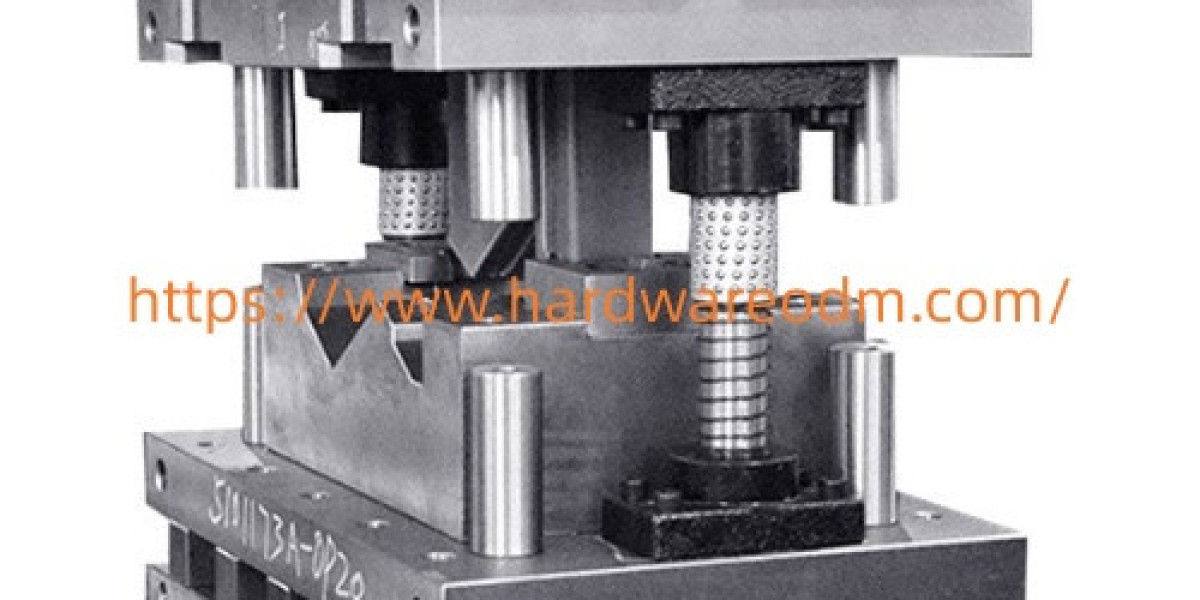

Stamping Sheet Metal projects require buyers to evaluate more than the appearance and quoted price of a finished component. A successful sourcing decision depends on whether the proposed production route fits the product design, order quantity, functional requirements, and delivery plan. For OEM brands, importers, wholesalers, and product developers, understanding how a factory organizes each stage can make supplier discussions more productive. Before placing an order, buyers should examine the following areas to determine whether a manufacturing arrangement fits their business needs.
Decide Whether the Process Fits Your Product
The shape and function of a component influence which manufacturing method should be considered. Some parts involve simple outlines and holes, while others require several forming operations, raised features, or complex profiles.
Buyers should explain what the component does within the final product. A mounting bracket, electrical contact, protective cover, and structural support may have different functional requirements, even when their dimensions appear similar.
It is also useful to discuss whether the part will be produced as a standalone component or assembled with other products. This information helps the factory evaluate the required process sequence and identify features that may affect production.
Compare Production Methods with Order Volume
Order quantity can influence the manufacturing arrangement and the way tooling expenses are distributed. A project involving a small trial quantity may require a different cost structure from a product scheduled for repeated production.
Buyers should provide more than the quantity for the initial purchase. An estimated annual demand, expected reorder frequency, and anticipated product life can help the manufacturer evaluate the project from a longer-term perspective.
When reviewing a quotation, separate the following cost categories:
Initial tooling and engineering charges
Material costs and expected usage
Processing charges per component
Secondary operations and surface treatment
Inspection and packaging requirements
Maintenance or modification arrangements
This breakdown makes supplier quotations easier to compare. It also helps buyers understand which expenses are connected with the initial setup and which will apply to future orders.
Examine the Factory's Production Organization
Production capacity should be evaluated in relation to the actual project rather than through general statements about machinery. Buyers can ask about the equipment used for relevant operations, the planned production sequence, and how different orders are scheduled.
It is also worth discussing how the factory manages changes in order quantities. A supplier handling recurring orders may need to coordinate raw material purchasing, tooling availability, production scheduling, and finished-goods storage.
Ask whether the manufacturer can explain the expected production stages and identify the responsibilities of each department. Clear coordination between engineering, production, inspection, and sales teams can make project communication easier to manage.
For buyers with several component models, confirm whether the proposed arrangement can accommodate different specifications and order schedules.
Understand How Product Quality Is Recorded
Quality requirements should be converted into specific inspection activities. General requests for consistent products are not enough to explain how a component will be accepted.
Buyers should identify the features that affect assembly, safety, appearance, or product operation. The factory can then discuss suitable measuring methods and inspection records for those characteristics.
Depending on the component, relevant checks may include:
Dimensional measurements
Hole location and spacing
Edge condition and burr direction
Surface appearance
Formed angles and profile dimensions
Fit with related components
For recurring orders, buyers should also ask how production batches are identified and how inspection information is retained. Traceability can help both parties investigate quality questions and review changes between deliveries.
Review Material Purchasing and Supply Arrangements
Material availability can influence production schedules and purchasing plans. Buyers should clarify the required grade, thickness, surface condition, and any applicable material standards before the order is released.
If a project permits alternative materials, the approval procedure should be agreed upon in advance. A substitution may affect component performance, processing behavior, surface appearance, or compatibility with other parts.
It is also useful to ask how material batches are identified and whether supporting documents can be supplied when required. For products with specific customer or industry requirements, these arrangements should be included in the original inquiry rather than discussed after production begins.
Clarify Order Changes and Delivery Responsibilities
Product development and purchasing plans can change during a project. Buyers may revise dimensions, adjust quantities, update packaging, or request a different delivery schedule.
Before production starts, both parties should establish how drawing revisions and order changes will be communicated. Confirm which document version is approved and who is authorized to release technical updates.
Delivery discussions should cover packaging specifications, labeling, shipment quantities, delivery terms, and the documents required by the receiving team. For international orders, buyers should also clarify export packaging and shipping coordination.
These details help reduce uncertainty between production completion and goods receipt.
Choose a Manufacturer That Can Support Project Communication
A manufacturing partner should be able to discuss technical questions and commercial arrangements in a clear, organized way. Buyers can assess this during the quotation stage by observing how the supplier responds to drawings, explains production assumptions, and identifies information that is still needed.At hardwareodm, buyers can communicate their component requirements, project drawings, expected order quantities, and manufacturing specifications for review. Clear project information helps the team discuss possible production arrangements and coordinate the details involved in custom orders.Whether you are developing a new component or sourcing parts for an established product line, prepare your technical files and purchasing requirements before requesting a quotation. Visit https://www.hardwareodm.com/product/ to review available product information and contact hardwareodm about your manufacturing project.







