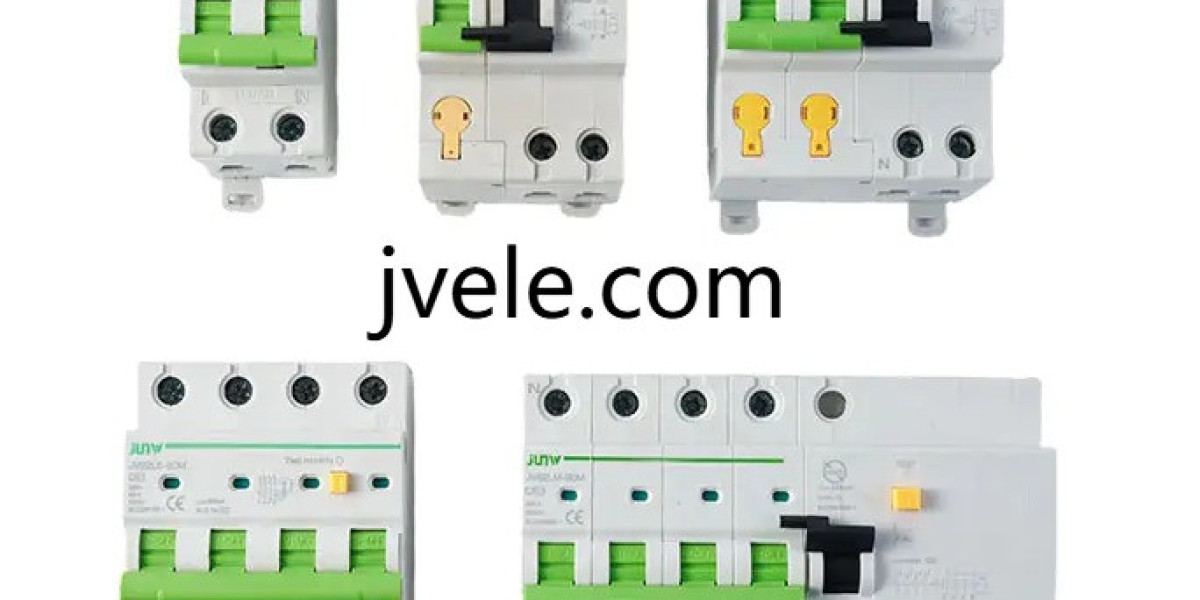

As solar energy becomes an increasingly important part of modern electricity generation, protecting photovoltaic equipment is an essential part of system planning. A PV Surge Protection Device helps limit the effects of transient overvoltages that may enter a solar installation through electrical circuits. Selecting suitable protection involves understanding the operating environment, evaluating construction materials, and considering how the device fits into the wider system. A thoughtful approach can support equipment reliability while making installation and ongoing maintenance more manageable.
Material selection is an important consideration because photovoltaic installations often operate in demanding environments. Depending on the location, protective equipment may be exposed to heat, humidity, dust, vibration, or changing weather conditions. The housing should provide suitable mechanical protection and maintain its integrity throughout normal use. Insulating materials also play a role in electrical safety, while internal conductive components must be designed to support dependable operation. Buyers should consider the quality and suitability of the materials rather than judging a product by appearance alone.
The installation environment can influence which product is appropriate. A residential rooftop system, a commercial building, and a large solar farm may have different layouts, maintenance arrangements, and exposure conditions. Before choosing a device, buyers should understand the system configuration, the electrical characteristics of the relevant circuit, and the protection requirements identified by the project design. Compatibility with the existing equipment is particularly important. A product that appears suitable in isolation may not be appropriate for every photovoltaic arrangement, so selection should be based on documented application guidance.
Understanding the role of surge protection technology also helps buyers make informed decisions. Transient overvoltages can result from lightning-related electromagnetic effects or switching activity within an electrical network. These events may place stress on sensitive components and connected equipment. Surge protection is intended to manage such transient conditions by limiting the voltage reaching protected circuits and providing a suitable path for surge current, according to the device design. Its effectiveness depends on the complete installation, including appropriate wiring, grounding, bonding, and coordination with other protective measures.
For solar applications, buyers should pay attention to the relationship between the protection device and the system's direct-current side. Photovoltaic strings, inverters, distribution equipment, and other connected components need to be considered as parts of one electrical arrangement. Protection should be selected according to the system design and applicable electrical standards, rather than assuming that one device can serve every circuit. Coordination with other protective equipment can help avoid gaps in the overall protection strategy. Qualified professionals should review the installation requirements before equipment is installed or replaced.
User experience matters as well, particularly for installers and maintenance teams who need to inspect electrical equipment over time. Clear terminal identification, readable markings, accessible mounting arrangements, and understandable installation instructions can reduce confusion during routine work. Where status indicators or replaceable protection modules are provided, their functions should be clearly explained in the product documentation. These details do not replace correct technical selection, but they can make inspection and servicing more straightforward. Buyers comparing products should consider how easily the device can be integrated into existing maintenance procedures.
Design and appearance are practical considerations when protective equipment must fit into an electrical cabinet or distribution enclosure. A compact, orderly form can help make better use of available space, provided that required clearances, wiring routes, and ventilation needs are respected. Consistent terminal placement and clear labeling can also contribute to a more organized installation. For project teams managing multiple solar sites, a consistent product range may simplify documentation, spare-parts planning, and maintenance training. Visual neatness is useful, but it should always remain secondary to electrical suitability and installation safety.
Procurement teams can improve their selection process by reviewing technical documentation, applicable certifications, quality-control practices, and the manufacturer's ability to explain application requirements. It is also worth confirming product availability, after-sales support, and access to installation guidance. These considerations are especially relevant when a project includes several photovoltaic arrays or will be maintained by different teams over its service life. Zhejiang Junwei Electric Co., Ltd. provides electrical protection products for customers evaluating solutions for different applications. To learn more about its product range and company information, visit https://www.jvele.com/.







