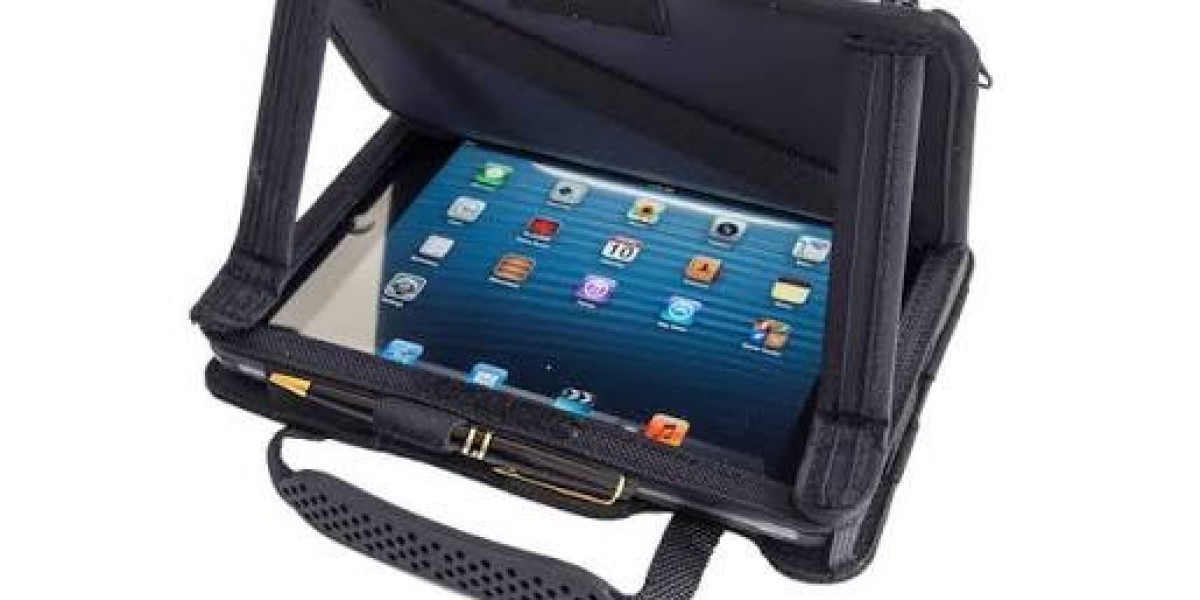

Intrinsically safe tablets are designed for use in workplaces where flammable gases, vapors, dust, or other hazardous substances may be present. In the USA, industries such as oil and gas, chemical processing, pharmaceuticals, mining, manufacturing, and utilities often require electronic equipment that can operate without creating an ignition risk. These tablets are engineered with protective measures that limit electrical and thermal energy to levels intended to prevent ignition under specified hazardous conditions. Along with safety considerations, they provide access to digital records, communication tools, inspection applications, and operational information. Understanding their construction, certifications, environmental protection, and suitable applications can help organizations select equipment according to workplace requirements. The appropriate device depends on the hazardous location classification, operating environment, required connectivity, and software needs. Intrinsically safe tablets therefore combine mobile computing with specialized safety considerations for demanding industrial environments.
What Are Intrinsically Safe Tablets?
Intrinsically safe tablets are mobile computing devices designed to reduce the possibility of ignition in hazardous environments. Unlike ordinary consumer tablets, these devices are engineered to control electrical and thermal energy within specified limits.
The main purpose is to prevent sparks, excessive heat, or other energy sources from becoming an ignition source when flammable materials are present. Their design can include specially protected batteries, circuits, connectors, housings, and other components.
The term "intrinsically safe" relates to a specific protection concept. A device must meet applicable requirements for the environments in which it is intended to operate.
Why Intrinsically Safe Tablets Are Important
Many industrial workplaces contain conditions where conventional electronic equipment may present additional risks. Oil and gas facilities, chemical plants, refineries, pharmaceutical production areas, and some mining operations can involve combustible gases, vapors, liquids, or dust.
Intrinsically safe tablets allow workers to access digital information while working in areas where specially approved equipment is required. Depending on the application, a tablet may provide access to inspection forms, maintenance records, inventory information, maps, technical documents, and communication systems.
This can reduce reliance on paper documents while allowing information to be accessed closer to the point of work.
Common Applications in the USA
Intrinsically safe tablets can be used across several industrial sectors in the United States.
Oil and Gas
Oil and gas operations can involve flammable gases and vapors. Tablets may support equipment inspections, maintenance activities, field documentation, and access to operational records.
Chemical Processing
Chemical facilities often manage substances that require strict controls around electrical equipment. Intrinsically safe tablets can support process documentation, inspections, and maintenance-related activities in designated hazardous areas.
Manufacturing
Certain manufacturing facilities handle combustible materials or generate hazardous dust. In these environments, appropriately certified tablets can support production records, inspections, and equipment monitoring.
Mining
Mining environments may contain combustible gases or dust depending on the operation. Specialized tablets can assist with field reporting, equipment information, and communication where approved devices are required.
Pharmaceutical Facilities
Some pharmaceutical processes involve combustible powders or chemicals. Properly certified mobile devices can support documentation and inspection activities in designated areas.
Key Safety Considerations
The suitability of intrinsically safe tablets depends on more than the device being described as "rugged" or "industrial." The equipment must be appropriate for the specific hazardous environment.
Important considerations include the type of hazardous material, temperature conditions, location classification, gas or dust group, and required protection level.
Applicable certification markings should be checked carefully before equipment is introduced into a hazardous area. A tablet approved for one type of environment may not necessarily be suitable for another.
Durability and Environmental Protection
Industrial workplaces can expose electronic devices to dust, moisture, vibration, drops, temperature changes, and other demanding conditions. Intrinsically safe tablets may therefore incorporate reinforced housings and additional environmental protection.
Ingress protection ratings can indicate resistance to dust and water under specified testing conditions. However, an IP rating and intrinsic safety certification address different requirements. Both should be considered when evaluating equipment for a particular workplace.
Connectivity and Data Access
Modern industrial operations often require continuous access to digital information. Depending on the model and certification, intrinsically safe tablets may support wireless connectivity, cellular communication, Bluetooth, GPS, or other technologies.
Connectivity requirements should be evaluated alongside safety requirements. A device's communication features must remain suitable for the intended hazardous location and operating conditions.
Workers may use tablets to access digital checklists, maintenance schedules, technical manuals, inspection records, and other operational information. This can make field documentation more organized and accessible.
Software and Workplace Integration
Intrinsically safe tablets can support specialized software used for industrial workflows. Applications may include inspection management, asset tracking, work-order systems, inventory management, field reporting, and document access.
Compatibility should be considered before deployment. Organizations may need to evaluate the operating system, application requirements, storage capacity, processing performance, connectivity, and security features.
The software environment is particularly important when tablets are expected to connect with existing enterprise systems.
Selecting the Right Intrinsically Safe Tablet
Choosing an intrinsically safe tablet requires an assessment of the actual working environment. The first consideration should be the hazardous-location requirements and applicable certification.
Battery performance, screen readability, operating temperature, storage capacity, connectivity, physical durability, and mounting options can also affect suitability.
The tablet should be selected according to documented workplace requirements rather than general specifications alone. Certification details should always be reviewed against the conditions where the device will be used.
Maintenance and Safe Use
Even specialized equipment requires proper handling and maintenance. Workers should follow the manufacturer's instructions and workplace safety procedures for charging, cleaning, repairing, and operating the tablet.
Damaged housings, connectors, batteries, or other components can affect equipment safety. Devices should therefore be inspected regularly, particularly when used in demanding industrial environments.
Repairs and modifications should be performed according to applicable procedures so that the original safety characteristics are not compromised.
Conclusion
Intrinsically safe tablets provide a specialized approach to mobile computing in hazardous industrial environments. Their controlled electrical and thermal characteristics can help reduce ignition risks when used within their approved conditions. In the USA, they can support activities across oil and gas, chemical processing, manufacturing, mining, utilities, and other industries. Proper certification, hazardous-location requirements, environmental protection, connectivity, durability, and software compatibility are important factors when evaluating these devices. Rather than treating intrinsic safety as a general feature, organizations should match each tablet to the specific workplace conditions and applicable requirements. When correctly selected and maintained, intrinsically safe tablets can provide workers with practical access to digital information while supporting established safety procedures in demanding environments.